

;)
About KSR Brothers
Starting from 1989, we have been passionately designing and installing water bodies in and around India. Being in the industry for over 30 years, we are the leading company in India in innovation and technology for various kinds of water bodies. Our dedicated in-house team offers all services and solutions from design to installation and maintenance. Waterscaping not only gives a new face to the landscape but also adds the most important element of nature - water.
READ MOREProjects/Portfolio
-
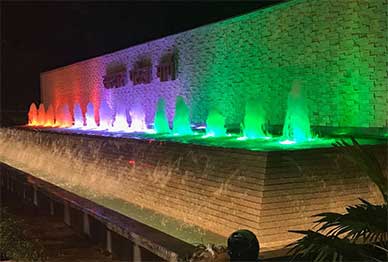
Bubbler Fountains at SP Marg, Delhi
-
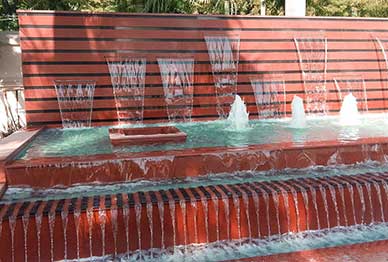
Damdama Sahib Gurudwara
-
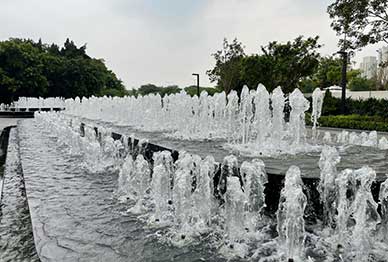
Fountains at Camelias, Gurgaon
-
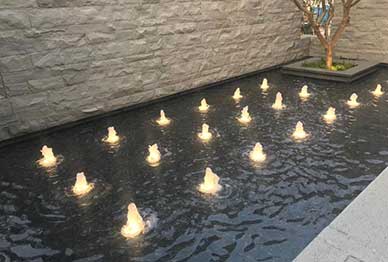
Small bubbler fountains at County 107, Noida
-
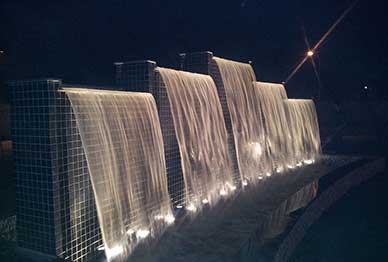
Wall crawl fountain at T3 Terminal IGI Airport, New Delhi
-
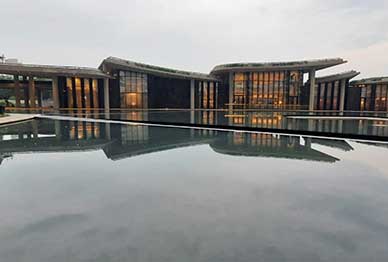
Camelias, Gurgaon
-
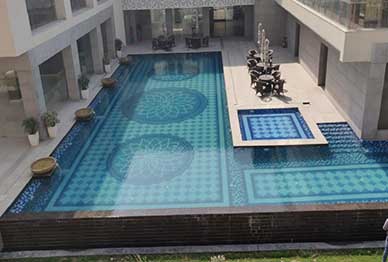
Swimming Pool, Hotel Hyatt
-
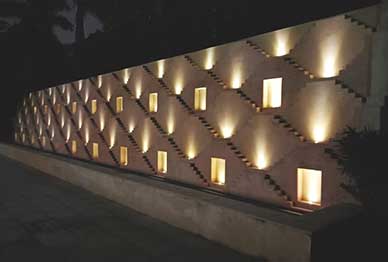
Lighting at Ashoka Hotel- New Delhi
-
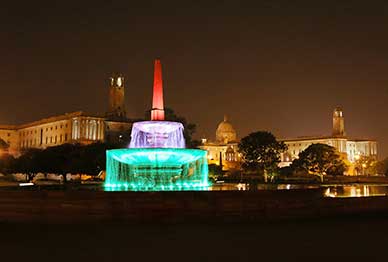
Lighting at Vijay Chowk-New Delhi
-
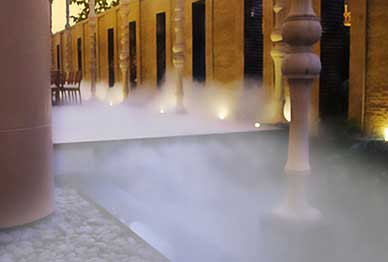
Lighting at Ashoka Hotel- New Delhi
-
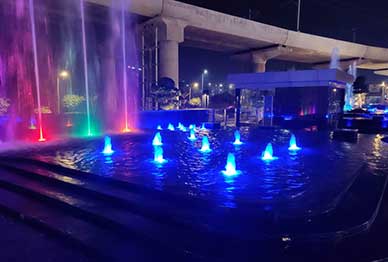
Advant IT Park, Noida
-
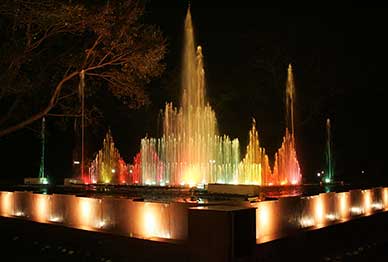
Musical fountains at President's House, New Delhi
Services

Design
Our in-house design team makes designing water bodies a breeze for our customers. We team up with architects and other design agencies to make the infrastructure goal a reality.

Installation
By KSR and OASE, our trained technicians are present on and off-site to facilitate the complete installation of all products and services.

Maintenance / Support
Our customers are on the top of our priority list, and we take pride in delivering during and after completion support & maintenance.







Official Partners
;)
The Fountainers
The Fountianers is a company started by KSR Brothers, specialising in musical fountains and swimming pools. The Fountianers also manufacture nozzles and lights, which are the most important part of the fountain and pool equipment. The nozzles and lights are produced in India in our in-house facility in New Delhi. To know more about these, please click on the products section.
;)
Oase
OASE has been one of the leading suppliers of fountain technology for decades. OASE has successfully set new industry standards with creative, spectacular fountain installations, boasting over 100,000 successful projects in over 100 countries worldwide and setting several world records.
Sustainability
We care about water and how much and when we use it. Since our projects are based in and around water, we feel drawn to nature and consider it as our duty to build systems that consume and handle water cautiously. Our products not only use water cautiously but also save energy for up to 25% as compared to conventional systems. We believe less is more.